


18jl | Strategic Insights: Exploring the World of Strategy Games
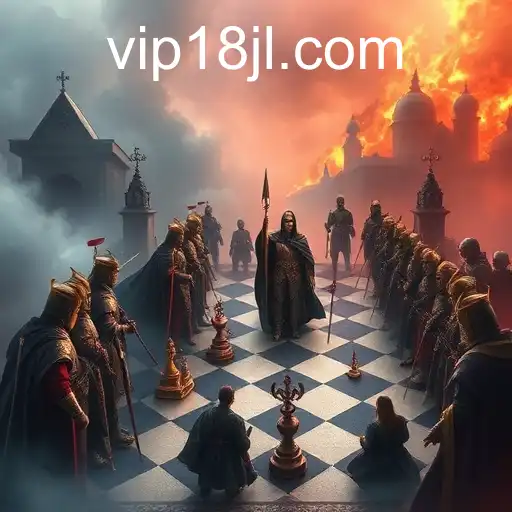
Strategy games have long been a staple within the gaming community, captivating players with their emphasis on thoughtful planning, foresight, and intricate decision-making. From ancient games played on physical boards to the sophisticated digital games of today, this genre has continuously evolved, each iteration offering a more complex and engaging experience.
The origins of strategy games can be traced back to some of the oldest board games known to humanity. Chess, for instance, is one of the most renowned examples and has been around for centuries, challenging players to think several moves ahead. As time progressed, so did the complexity and variety of strategy games. The introduction of computers and video games paved the way for new forms of strategy games, such as real-time strategy (RTS) and turn-based strategy (TBS), each catering to different types of strategic minds.
Real-time strategy games like 'StarCraft' and 'Age of Empires' require players to make quick decisions and manage resources effectively under time constraints. Meanwhile, turn-based games such as 'Civilization' and 'XCOM' allow players the luxury to ponder each move, offering a more deliberate and contemplative approach to strategy. These diverse formats ensure that there is a strategic game suited to every player’s preference.
The impact of strategy games extends beyond mere entertainment. They are praised for enhancing cognitive skills, such as problem-solving, critical thinking, and planning. Educational institutions and cognitive scientists have recognized the potential benefits of these games in learning environments, encouraging their integration into curricula to foster strategic thinking in students.
Moreover, the strategy gaming community is vibrant and dynamic, filled with dedicated players who often engage in competitions and tournaments. These events highlight the depth of commitment and skill within the community and contribute to the ever-growing popularity of the genre. The advent of online multiplayer options has expanded this community even further, allowing players from across the globe to challenge each other and share strategic insights.
In conclusion, strategy games represent an integral part of the gaming universe, offering a unique blend of challenge and creativity. As technology continues to advance, the possibilities for innovation in this genre are endless. Whether it's the thrill of real-time decisions or the satisfaction of a well-executed plan, strategy games continue to inspire and engage players around the world.
